Chapter 3 of the 1998 NCI monograph, on chemistry and toxicology, compared selected components of cigar tobacco (including some premium cigars) and types of cigarette tobacco
Further analysis showed that smokers, e-cigarette users, males, and younger adults between the ages of 18 and 24, adults with lower levels of education, and adults without children in the household were less likely to have household rules against e-cigarette use, and less likely to support use restrictions

Others include: Caffeine consumption Sugar and processed foods Exercise (when taken to extremes) Shopping or spending Gambling Technology and social media use Work addiction Why Replacement Addictions Develop Replacement addictions often develop because: Neurological factors : The brains reward system has been conditioned to seek immediate gratification Avoidance of underlying issues : New addictions can help avoid addressing the root causes of addictive behavior Comfort seeking : Transitioning to a substance or behavior perceived as more socially acceptable or less harmful Habit formation : The person hasnt yet developed healthy coping mechanisms The Specific Dangers of Nicotine as a Replacement Addiction Physical Health Impacts While vaping is often marketed as a safer alternative to smoking, it carries its own set of health risks: Respiratory issues including lung inflammation Cardiovascular problems Exposure to harmful chemicals and metals Potential for serious lung injuries (EVALI e-cigarette or vaping product use-associated lung injury) Long-term health effects that are still being studied Traditional cigarettes pose well-documented risks including cancer, heart disease, stroke, and respiratory diseases

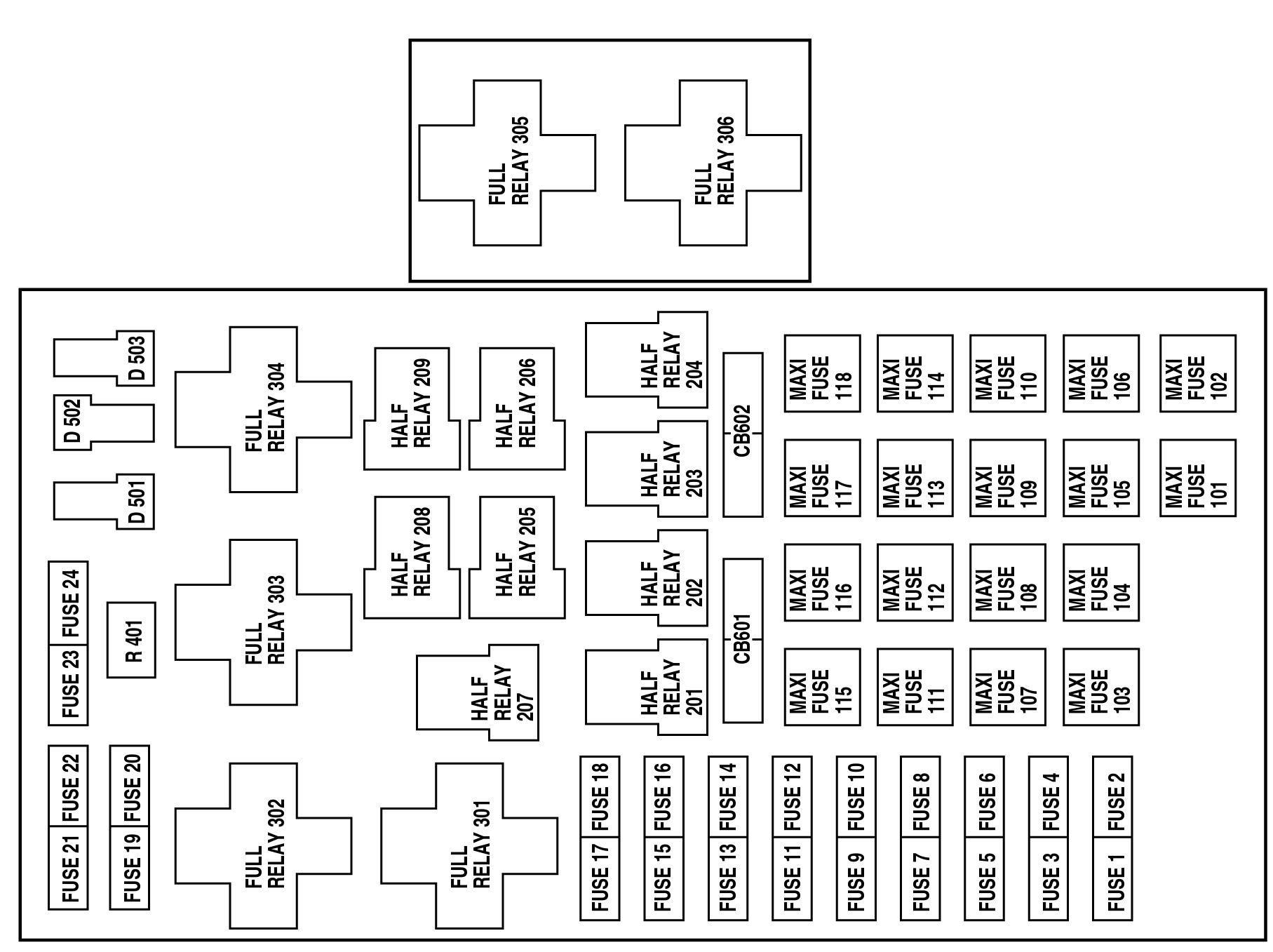
Incorrect fuse: if a fuse with a lower amperage than recommended by Mitsubishi has been installed, it may blow quickly when the lighter or connected accessories are used






















)


