Sixth, propensity scorematched sensitivity analyses complemented the conventional regression approach by balancing observed covariates across exposure groups, providing a more robust assessment of whether the observed associations are likely to reflect genuine effects or residual confounding
And then something happened in my lifeit was a very traumatic momentand I lost track, I lost the memory of having put the cigars there until about a year and a half later when I recalled, 'My God, that's right.'" Shatner went back to the store, asked for his cigars and was told that, because he'd not frozen them before bringing them in, the cigars had become infested with bugs
The logic is simple: Its possible that middle and high school students may have access to 18-year-old peers to purchase cigarettes now, but theyre likely not going to have as much access to people who are 21 or older, who will likely be in college or living their adult lives
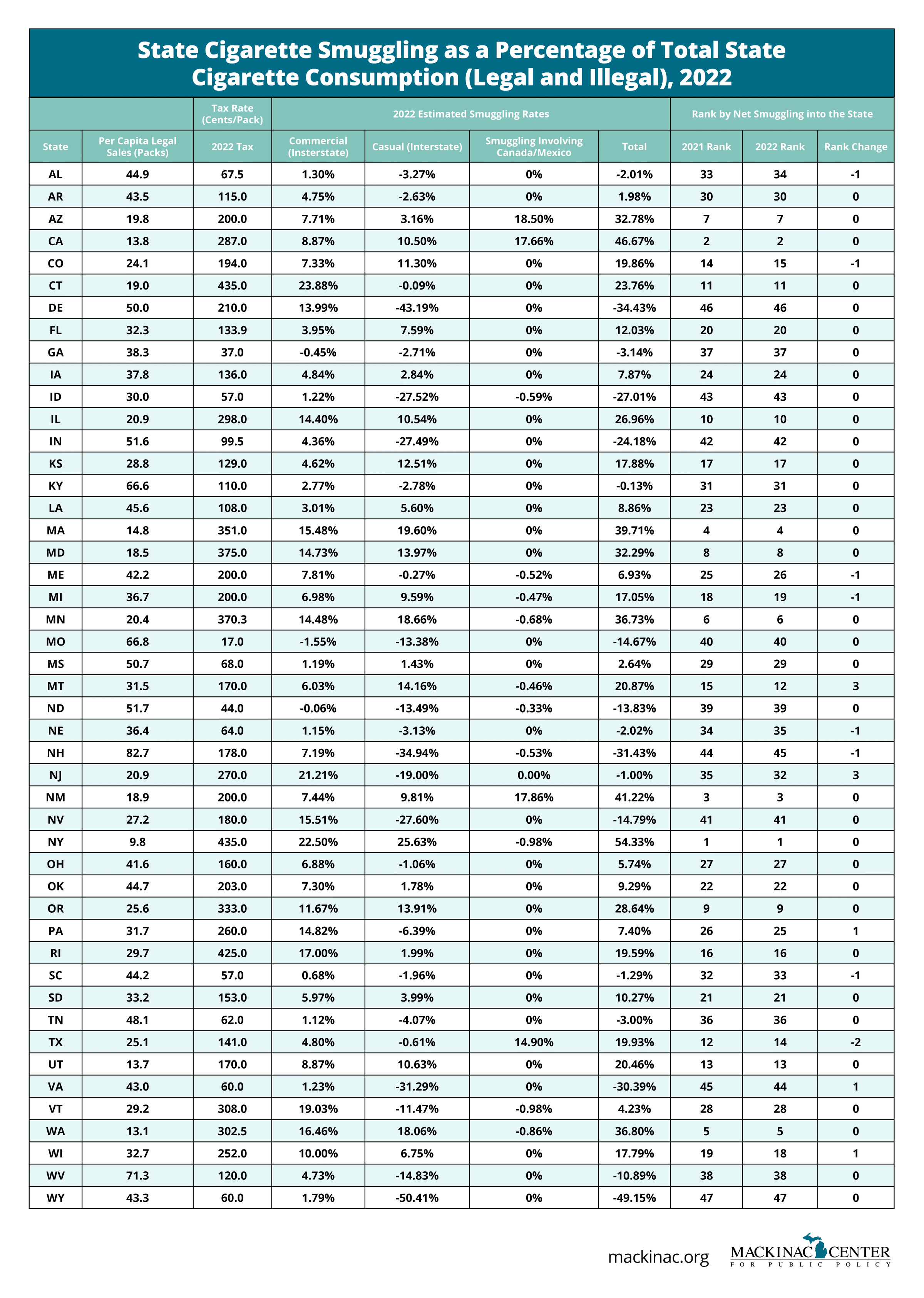
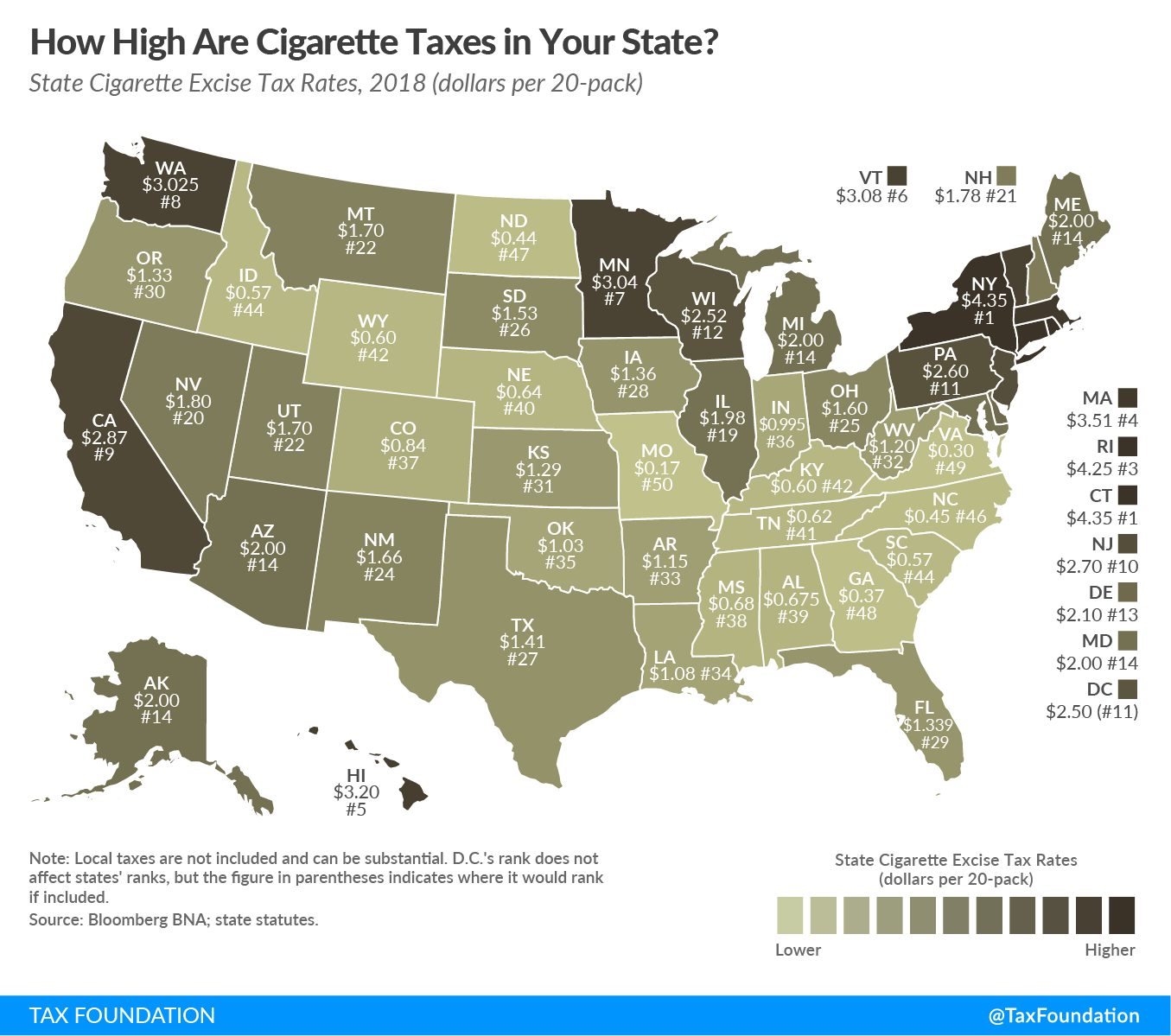
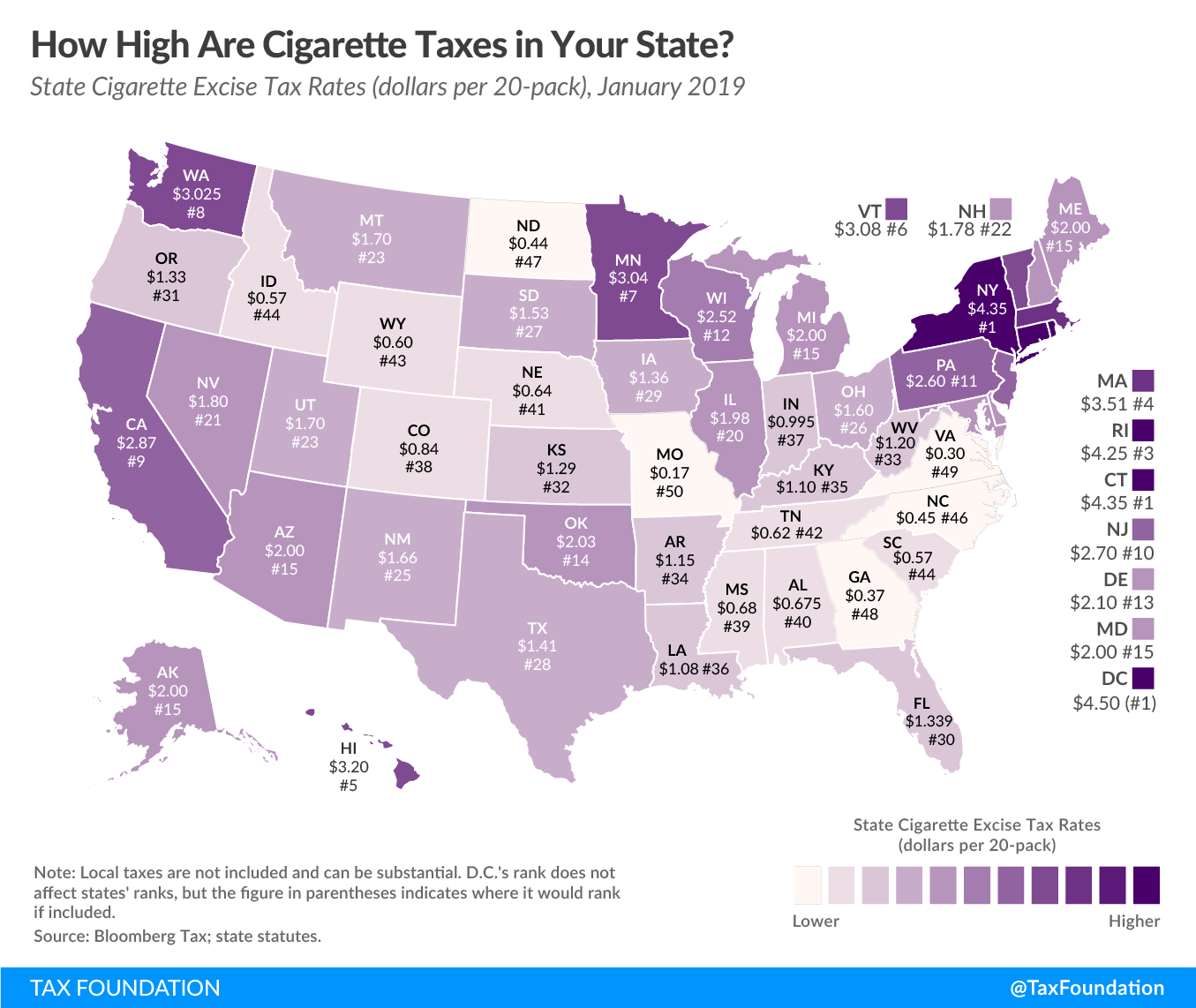
Nationally, the rate was 5.7%.2 Economics of tobacco use and tobacco control How much does Kentucky get from tobacco taxes Kentucky received $497.4 million (estimated) in revenue from tobacco settlement payments and taxes in fiscal year 2020.4 Of this, the state allocated $3.3 million in state funds to tobacco prevention in fiscal year 2020, 5.9% of the Centers for Disease Control and Preventions annual spending target.4 Smoking-related health care costs: $1.92 billion per year.4 Smoking-related losses in productivity: $2.79 billion per year.5 Kentucky tobacco laws Kentucky cigarette tax Tobacco taxes Kentucky is ranked 36th in the U.S