The symptoms of mold illness are: Psychiatric anxiety, fear, panic attacks, mood swings, irritability, anger, OCD, reduced ability to cope with stress, hallucinations, and suicidal thoughts Cognitive decreased short-term memory, difficulty concentrating, difficulty learning new information, word-finding difficulty, reduced ability to plan and execute, lack of motivation, brain fog, and Alzheimers dementia Musculoskeletal muscle aches, sharp shooting pain, joint pain, morning stiffness Cardiovascular palpitations, vasculitis, edema Fatigue and chronic fatigue syndrome Respiratory shortness of breath, chronic cough, sinus infections, nasal drip Neurological headaches, migraines, POTS/dysautonomia, tremors, vertigo, seizures, burning along the spine, sensitivity to light, sensitivity to touch, numbness and tingling, sense of internal vibration Digestive abdominal pain, diarrhea, appetite swings, nausea, leaky gut syndrome Eye tearing and itching Multiple chemical sensitivity (MCS) and EMF sensitivity Mast Cell Activation Syndrome (MCAS) People with mold illness are commonly misdiagnosed with chronic fatigue syndrome, autoimmune conditions, fibromyalgia, Alzheimers dementia, and respiratory disorders like asthma

IV Therapy starts at $150 Base IV Therapy Our IV treatments provide hydration and essential fluids to help support overall wellness, recovery, and balance
An overlooked drug called pentoxifylline has been shown in both experimental and human studies to improve several endometriosis-related outcomes, including pain intensity and pregnancy rates
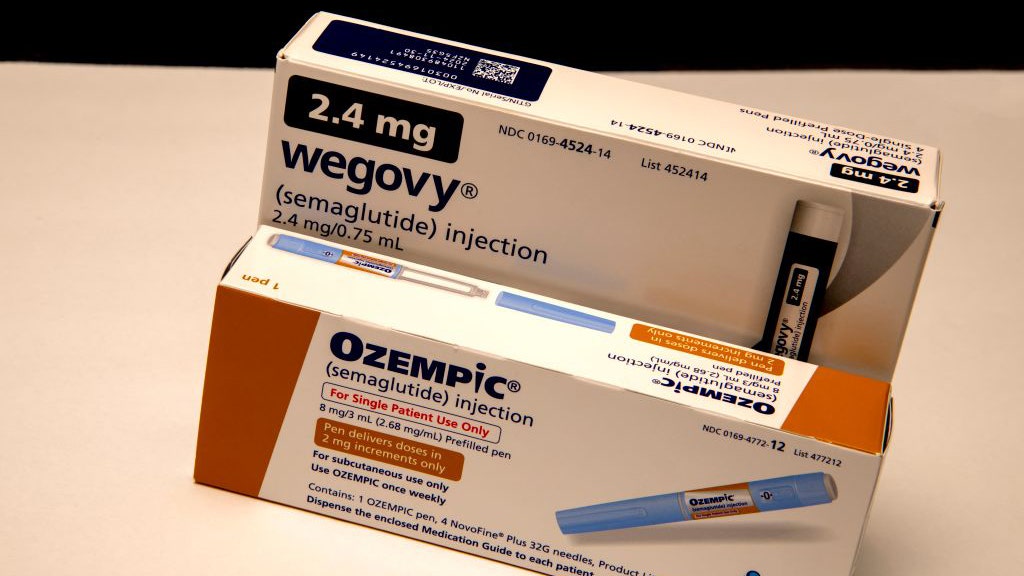
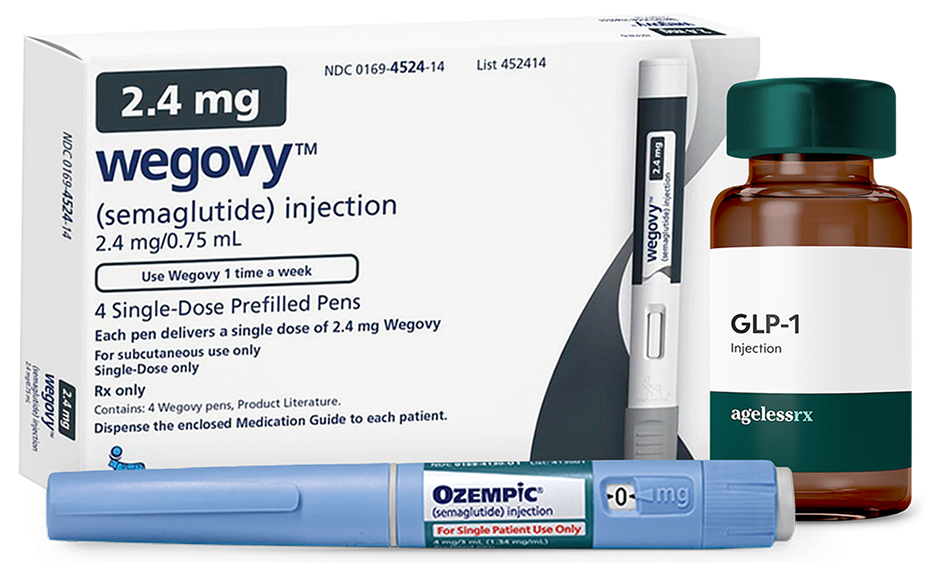
Wall Street estimates the GLP-1 drugs could net the company $13.5 billion in 2024